Happy Halloween Skeleton SVG File, Funny
As a designer who has spent years translating digital graphics into tangible thread and fabric, I approach every new asset with a critical eye. The market is flooded with generic holiday clip art, but finding a piece that truly translates well from a screen to a finished product is rare. Recently, I evaluated the Happy Halloween Skeleton SVG File, Funny, a design that immediately caught my attention for its playful energy. While the product description highlights its compatibility with cutting machines like Cricut and Silhouette Cameo, as well as Adobe Illustrator via EPS files, my focus was entirely on how this graphic would perform in a real-world embroidery context. For small business owners and Etsy sellers looking to expand their seasonal catalog, understanding the practical application of such a design is just as important as the visual appeal.
First Impressions: Visual Personality and Design Intent
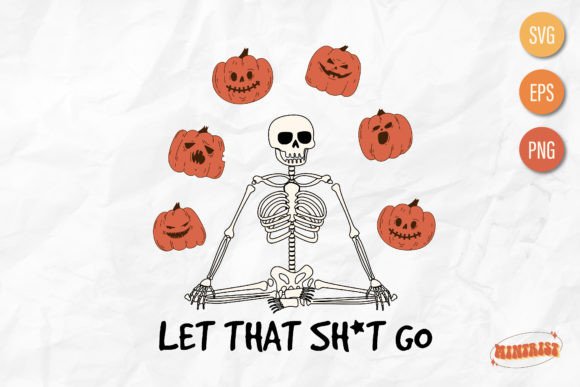
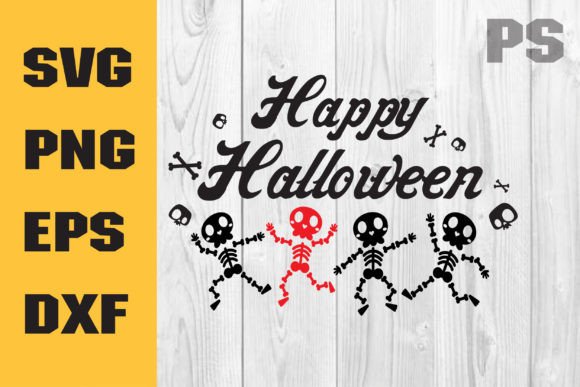
When you first open the Happy Halloween Skeleton SVG File, Funny, the mood is instantly established. It is not a spooky, horror-centric skeleton; rather, it exudes a lighthearted, whimsical vibe perfect for family-friendly autumn decor or fun custom apparel. The lines are clean, and the character has a distinct personality that suggests movement and joy. In the world of Crafts and Graphics, this kind of "funny" aesthetic is gold because it appeals to a broader audience than traditional scary motifs. However, the transition from a flat vector image to a textured, three-dimensional embroidered piece requires careful consideration. The simplicity of the skeleton's pose is a strength, as it reduces the risk of stitch definition getting lost in dense areas, but the specific details of the facial expression will dictate the success of the final finished product.
Real-World Application: From Digital File to Stitched Reality
To truly test this asset, I imagined using it for a batch of custom tote bags and heavy-weight sweatshirts for a local boutique's Halloween pop-up shop. The Happy Halloween Skeleton SVG File, Funny works exceptionally well as a focal point on these items. When planning the layout for a sweatshirt embroidery project, the design's balanced proportions allow it to sit comfortably on the chest without overwhelming the garment. Unlike complex illustrations that require hundreds of thousands of stitches, this design feels manageable for most home and light commercial machines.
In a scenario where I am creating an embroidered patch for sale on Etsy, the clean lines of the skeleton translate beautifully into satin and fill stitches. The lack of intricate shading means that the stitch density can remain moderate, preventing the fabric from puckering—a common issue when designers push too much detail into a small area. For custom apparel, the bold outline of the skeleton ensures high visibility even from a distance, which is crucial for customers browsing through racks at a craft fair. The design also lends itself perfectly to holiday embroidery projects like pillow covers or kitchen towels, where a touch of humor adds value to a functional item.
Considerations for Fabric and Placement
While the design is versatile, there are specific scenarios where caution is required. If you intend to use the Happy Halloween Skeleton SVG File, Funny on thin fabrics like a standard cotton t-shirt, the hoop size and stabilizer choice become critical. A large hoop might distort the fabric, causing the skeleton's limbs to look stretched once removed. Similarly, on stretchy materials like jersey knit, the tension of the machine embroidery design could cause warping if the backing is insufficient. For dark fabrics, the contrast of the thread colors will define the clarity of the design; a simple black outline might disappear on a navy blue background, requiring a bright accent color to make the "funny" expression pop.
Curved surfaces present another challenge. Placing this design on a cap requires significant digitizing adjustments to account for the curve of the brim. The straight lines of the skeleton's ribs or arms might need to be broken up or adjusted to follow the contour of the hat, otherwise, the stitching may break or look uneven. Additionally, if you are targeting the baby embroidery market for onesies or blankets, ensure that the file does not contain tiny, sharp points that could irritate sensitive skin or snag easily during washing.
Strategic Value for Craft Business Owners
For the Etsy seller or creative entrepreneur, the Happy Halloween Skeleton SVG File, Funny offers more than just a cute image; it offers a reliable asset for building brand consistency. A design that looks professional and well-executed increases customer trust and perceived value. When a buyer sees a crisp, well-stitched skeleton on a high-quality tote bag, they are more likely to view your shop as a source for premium handmade goods. This design supports commercial embroidery efforts by providing a recognizable motif that can be used across various product lines, from personalized gifts to small shop merchandise.
The versatility of the included file formats—SVG, PNG, and EPS—means you have flexibility in your workflow. You can use the SVG for cutting vinyl applique if you prefer a layered look, or the EPS to adjust the vector paths before digitizing for thread. However, remember that the provided files are primarily for cutting and vector editing. To get them onto a machine, you must convert them into a proper embroidery file format compatible with your specific machine. Always check the licensing terms to confirm whether you can sell the physical items you create or if you are restricted to personal use only. This distinction is vital for any craft business aiming to scale.
Practical Designer Notes for Success
Before committing to a full production run, I always recommend a series of tests. Start by printing a mockup of the Happy Halloween Skeleton SVG File, Funny at the intended size to visualize the scale on your chosen product. Test the design on scrap fabric first, paying close attention to how the thread colors interact with the material texture. Review the stitch density in the preview software to ensure there are no overly tight areas that could tear the fabric.
Inspect small details like the eyes or mouth of the skeleton to ensure they remain distinct after stitching. Sometimes, what looks clear on a screen gets muddy when stitched with multiple thread changes. Use a high-quality stabilizer appropriate for your fabric type; a tear-away might work for a stiff tote bag, while a cut-away is better for stretchy garments. Finally, compare the design on both light and dark fabric backgrounds to determine the best thread palette. By taking these steps, you ensure that your handmade product maintains the charm and professionalism of the original graphic, turning a simple digital download into a standout piece of seasonal decor.