Simmer Down: A Designer's Review for Embroidery Projects
As a professional designer who has spent years translating digital files into tangible stitched goods, I approach every new machine embroidery design with a mix of excitement and skepticism. The market is flooded with generic word art, but occasionally, a phrase like Simmer Down catches the eye for its potential in specific niches. While this particular asset is marketed primarily as an SVG cutting file for vinyl applications in Crafts, my focus today is on how this graphic translates to the world of thread and fabric. For the Etsy seller or small shop product creator looking to expand their catalog, understanding the practical limitations and opportunities of converting a Graphics file into an embroidery file is critical.
The Visual Mood and Design Personality
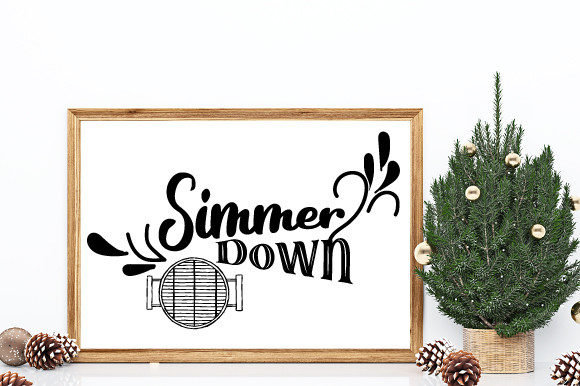
At first glance, Simmer Down exudes a playful, slightly sarcastic energy that fits perfectly within the modern kitchen aesthetic. The typography is bold and straightforward, designed to command attention without overwhelming the space. In a digital preview, the clean lines suggest a crisp finish, which is exactly what we want when creating a handmade product. However, moving from a screen to a hoop requires a shift in perspective. The "funny kitchen" theme implies a casual, humorous vibe, making it ideal for items that see daily use and frequent washing. When I visualize this as a tote bag design or a kitchen towel, the message resonates with home cooks who appreciate a touch of wit in their workspace.
The layout is relatively simple, which is a double-edged sword. On one hand, simplicity often means better stitch clarity. On the other, it lacks the intricate detailing that sometimes hides minor stitching imperfections. For a custom apparel project, such as a chef's apron or a personalized gift for a new homeowner, the visual personality of Simmer Down works well because it relies on the strength of the text rather than complex imagery. It feels like a design meant to be read quickly and smiled at, a perfect characteristic for holiday embroidery gifts or boutique merchandise.
Real-World Application: From File to Fabric
Let's walk through a realistic scenario. Imagine you are preparing a batch of sweatshirt embroidery for a local craft fair. You have chosen a heavy cotton blend in a warm oatmeal color. The goal is to place the Simmer Down motif on the chest area. Because the original file is a vector graphic intended for cutting machines like Cricut or Silhouette, you must first convert it into a proper digital embroidery file. This conversion process is where the magic happens, or where things can go wrong.
When digitizing this word art, the letterforms need careful attention. If the font features tight curves or sharp angles, the machine might struggle with fill stitch density, leading to puckering or skipped stitches. In my experience, applying a running stitch outline around the letters can add definition, especially if you plan to use lighter thread colors on a dark background. For a finished product like a cozy throw pillow cover, the texture of the fabric will interact with the thread. A high-quality stabilizer is non-negotiable here; without it, the tension required to stitch the bold letters could distort the weave of the pillow fabric, ruining the professional look you are trying to achieve.
This design also shines when used for embroidered patch creation. Patches allow for higher stitch densities and more aggressive underlays because they are usually backed with felt or twill before being sewn onto garments. Creating a set of Simmer Down patches could be a lucrative commercial embroidery venture. They would appeal to chefs, baristas, and anyone who enjoys kitchen humor. The durability of a patch ensures the design survives the rigors of laundry, maintaining its visual appeal over time.
Navigating Technical Challenges and Fabric Choices
While Simmer Down is versatile, there are scenarios where caution is required. Small hoop sizes can be problematic for multi-line text designs. If you attempt to fit the entire phrase into a 4x4 inch hoop, the lettering may become too small to stitch cleanly. Tiny lettering often results in muddy details, where individual threads blur together. In such cases, it is better to split the design or choose a larger hoop to maintain legibility. Similarly, textured fabrics like chenille or thick fleece can interfere with the needle penetration, causing uneven stitch distribution. Always test the design on scrap fabric that matches your final material.
Dark fabrics present another challenge. To make the white or light-colored thread pop against a black sweatshirt, you will likely need a solid layer of underlay. Without it, the dark fabric shows through the gaps in the fill stitch, making the design look washed out. Additionally, stretchy fabrics require extra stabilization. If you are doing baby embroidery on a onesie, the fabric stretches significantly during hooping. Using a water-soluble stabilizer or a tear-away type specifically designed for knits is essential to prevent the design from distorting once the garment is worn.
Maximizing Value for Your Craft Business
For the creative entrepreneur, the value of a design like Simmer Down lies in its ability to create a cohesive brand identity. Consistency in your design assets builds customer trust. If you sell kitchen-themed items, having a recognizable style across your personalized products helps buyers identify your work instantly. This design fits seamlessly into a collection of kitchen towels, aprons, and oven mitts, offering a complete shopping experience.
However, before listing these items, you must confirm the licensing terms. Since this is a digital download originally intended for personal crafting, ensure you have the rights to sell finished goods made from the design. Many sellers overlook this, only to face legal issues later. Check whether the license allows for commercial embroidery projects. If you plan to sell the digitized file itself, that is a different category entirely and usually requires explicit permission from the original creator.
Practical Steps for Professional Results
To ensure your Simmer Down project looks professional, follow these steps:
- Test on Scrap Fabric: Never skip the test run. Stitch the design on a piece of the actual fabric you intend to use to check for puckering and alignment.
- Check Thread Color Contrast: Ensure the thread stands out clearly against the background. High contrast improves readability and visual impact.
- Review Stitch Density: If the letters look too dense, reduce the fill density to allow the fabric to breathe, especially on lightweight materials.
- Confirm Hoop Size: Make sure the design fits comfortably within your hoop without stretching the edges of the fabric.
- Inspect Small Details: Zoom in on your mockups to ensure no tiny serifs or decorative elements are lost in the translation from vector to stitch.
- Use Proper Stabilizer: Match the stabilizer weight to the fabric thickness. Heavy fabrics need heavier support; delicate fabrics need lightweight, tear-away options.
- Compare Light and Dark Backgrounds: Create printable mockup versions of your design on both light and dark fabrics to see how the colors perform in different contexts.
In conclusion, Simmer Down offers a charming and practical opportunity for designers looking to add a touch of humor to their portfolio. By treating the digital file with respect and understanding the nuances of machine embroidery, you can transform a simple SVG graphic into a high-quality, sellable item. Whether it ends up on a kitchen towel, a cap, or a custom tote, the key is preparation. With the right stabilizer, thread selection, and digitizing technique, this design can become a staple in your craft business, delighting customers with its witty message and professional execution.